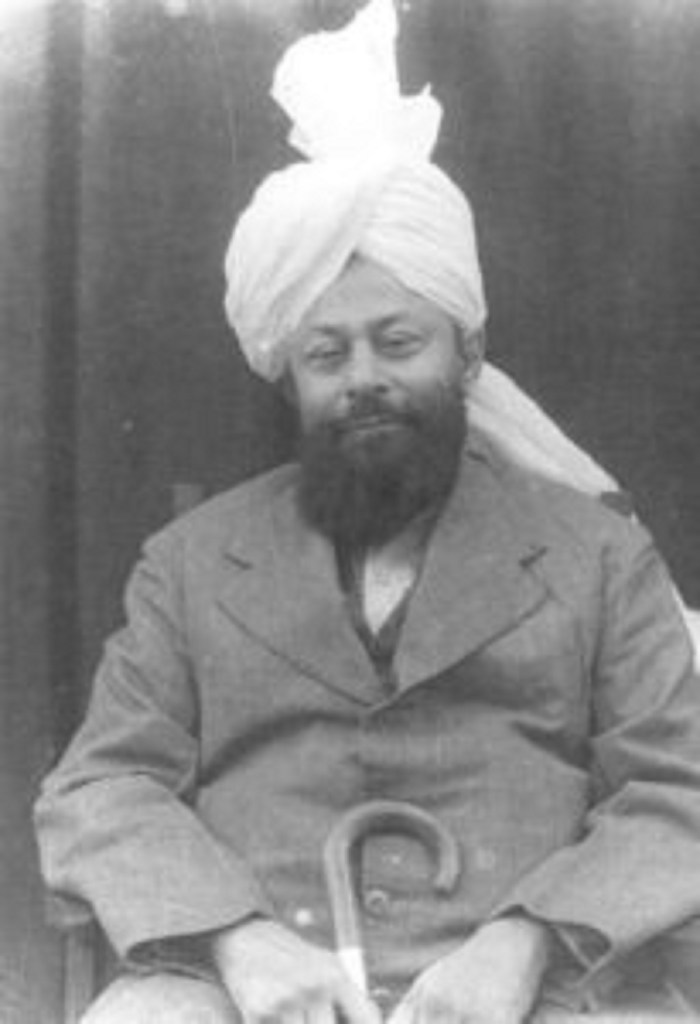
1. Argument from Design: Hazrat Mirza Mahmood Ahmad argued that the intricate design, order, and harmony in the universe indicate the existence of an intelligent Creator. He believed that the complexity and purposeful arrangement of the natural world, from the smallest organisms to the vastness of the cosmos, point towards a higher power.
2. Moral Argument: He posited that the existence of an objective moral framework implies the existence of a moral lawgiver. According to this argument, human beings possess an innate sense of right and wrong, which suggests the presence of a divine source for moral values.
3. Argument from Consciousness: Hazrat Mirza Mahmood Ahmad proposed that human consciousness and self-awareness cannot be fully explained by purely materialistic or naturalistic explanations. He argued that the existence of subjective experience points towards the existence of a conscious, transcendent being.
4. Argument from Revelation: As a leader within the Ahmadiyya Muslim Community, Hazrat Mirza Mahmood Ahmad emphasized the concept of revelation as evidence for the existence of God. He believed that divine scriptures, including the Holy Quran, contain knowledge and insights that could not have been known to humans at the time of their revelation, thereby pointing to their divine origin.
5. Personal Spiritual Experiences: Hazrat Mirza Mahmood Ahmad emphasized the significance of personal spiritual experiences as a means to affirm the existence of God. He believed that individuals who sincerely seek a relationship with God can have direct experiences and encounters that provide them with certainty and strengthen their faith.
These are some of the key arguments that Hazrat Mirza Bashiruddin Mahmood Ahmad put forth to support the existence of God. It’s important to note that these arguments are specific to his religious and philosophical perspective as the leader of the Ahmadiyya Muslim Community.
 Radio VOIB