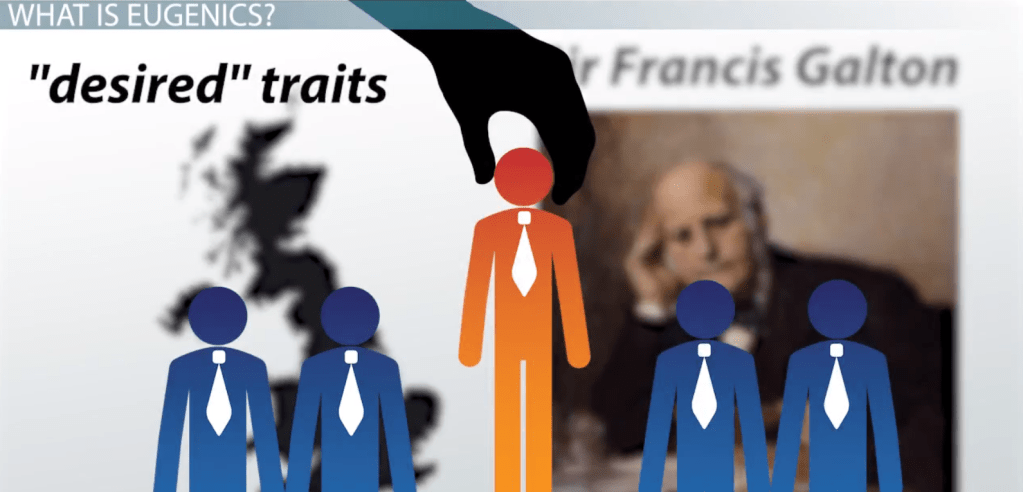
“Drawing a stark contrast between the contentious concept of eugenics and the ethical underpinnings of Islamic teachings, particularly as advocated by the Ahmadiyya Muslim community, exposes profound disparities in their fundamental principles.
Eugenics:
Eugenics, a historically discredited ideology that gained traction in the early 20th century, aimed to enhance the genetic quality of the human population through selective breeding and sterilization. However, it faced vehement criticism due to its association with racial prejudice and morally reprehensible practices, such as coerced sterilizations and euthanasia programs.
Key aspects of eugenics:
- Selective Breeding: Advocates of eugenics endorsed the notion of selective breeding to amplify favourable genetic traits while eradicating unfavourable ones, treating human beings as mere objects for manipulation.
- Coercive Practices: Historical ties between eugenics and coercive measures like forced sterilizations and euthanasia underscore its unethical nature in pursuit of its objectives.
- Ethical Concerns: The ethical concerns surrounding eugenics are pervasive, ranging from disregard for human rights to discrimination against specific groups based on perceived genetic deficiencies.
Islamic Teachings by Ahmadiyya:
Within the Islamic faith, the Ahmadiyya Muslim community interprets and adheres to certain overarching principles that uphold humanity’s dignity and ethics.
Key facets of Islamic teachings by Ahmadiyya:
- Respect for Human Dignity: Islam, including the Ahmadiyya interpretation, staunchly upholds the dignity and worth of every individual, firmly rejecting all forms of discrimination rooted in race, ethnicity, or genetic traits.
- Autonomy and Free Will: At the core of Islamic teachings is the emphasis on individual autonomy and free will, considering humans as moral agents responsible for their actions, irrespective of genetic predispositions.
- Compassion and Mercy: The essence of Islamic teachings is compassion, mercy, and care for the vulnerable within society, underscored by fundamental principles like charity (zakat) and social justice.
- Respect for Life: Islam places paramount importance on the sanctity of life, vehemently discouraging any coercion or harm inflicted upon human life.
In conclusion, the stark juxtaposition of eugenics and Islamic teachings, particularly from the perspective of the Ahmadiyya community, is evident. Eugenics, a debunked ideology, sought to tamper with human genetics through coercive and immoral means. Conversely, Islamic teachings uphold the intrinsic worth of every individual, and their autonomy, and stress compassion, justice, and the sanctity of human life. It is crucial to acknowledge that interpretations of Islamic teachings may vary among different Muslim communities, but the outlined principles broadly resonate with the Ahmadiyya perspective.”
Example: This elucidation draws from historical and ethical perspectives on eugenics and the fundamental principles of Islamic teachings, notably from the Ahmadiyya Muslim community, to underscore the disparities in their ideologies. The clear distinction presented here aims to elucidate the ethical implications of eugenics and the humanistic values emphasized in the Islamic faith.”
 Radio VOIB