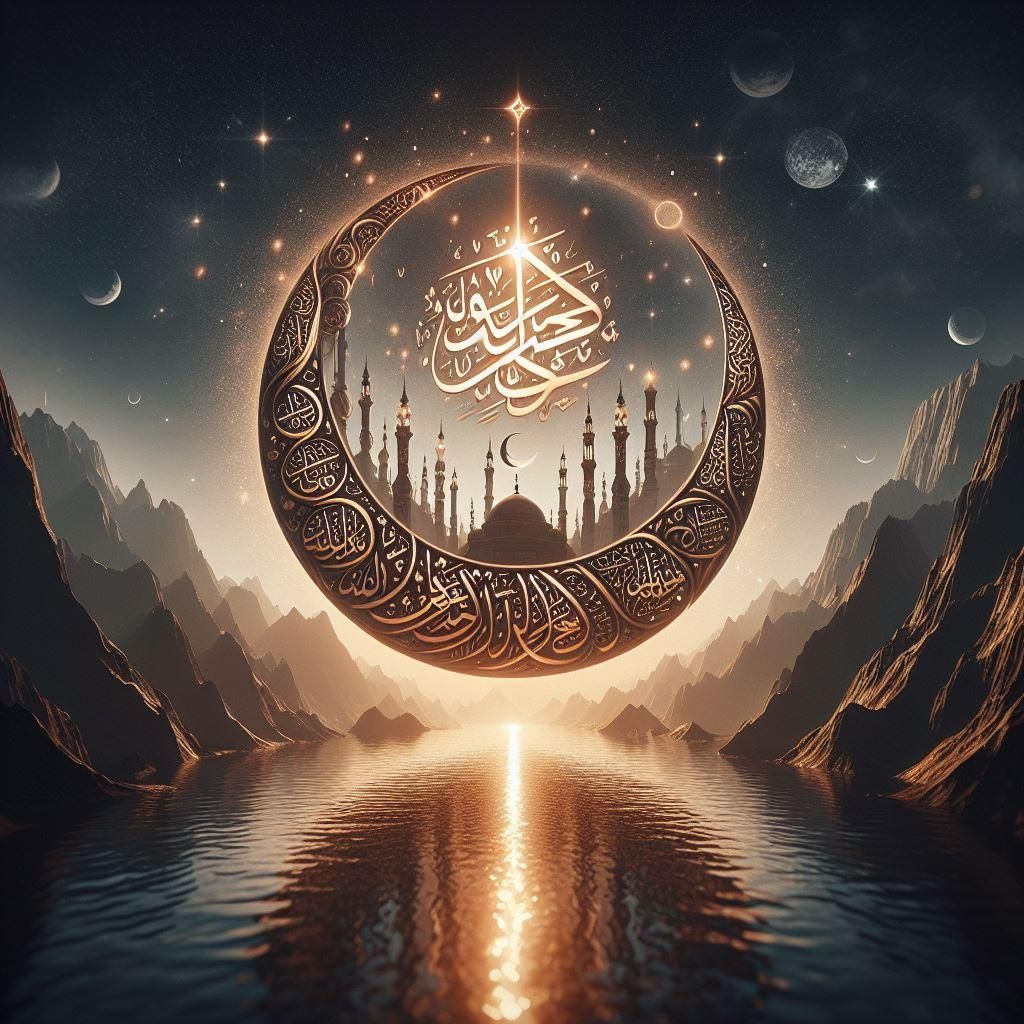
“In the intricate fabric of Islamic theology, the concept of sacredness holds a central position, weaving into both the social structure and individual spirituality. Among the 99 Names of Allah, “الْقُدُّوسُ” (Al-Quddus) resonates deeply, representing The Most Sacred, The Most Pure. This divine attribute of purity and sanctity, while beyond human comprehension, encourages believers to contemplate the essence of holiness in their lives.
Hazrat Mirza Bashiruddin Mahmood Ahmad, as the second Khalifa of the Ahmadiyya Muslim Community, explores the layers of meaning behind Al-Quddus in his monumental work “Tafsir e Kabir.” His interpretation of the Quran reflects a lifelong dedication to understanding and conveying Islam’s message. More than a commentary, Tafsir e Kabir acts as a bridge connecting divine wisdom to human intellect, prompting readers to ponder and internalize its insights.
The Ahmadiyya Muslim Community, founded by Mirza Ghulam Ahmad, emphasizes the revival and peaceful propagation of Islam. It asserts that the purity symbolized by Al-Quddus should not remain abstract but should manifest in the actions and intentions of every believer. Rooted in the belief that Islam embodies peace, love, and sanctity of life, this community’s interpretation of Islamic teachings, including Al-Quddus, emphasizes practical application¹.
In the realm of social science, the sacred has long fascinated scholars, shaping societies, cultures, and individual behavior. It serves as a potent force, uniting people under a common purpose and identity, inspiring altruism, fostering community cohesion, and providing meaning to human existence. Viewing Al-Quddus through the lens of social science reveals its reflection in the moral and ethical frameworks that govern societies, urging individuals to elevate their conduct and seek harmony between the material and the spiritual.
The message of Al-Quddus remains timeless and pertinent. In a world marked by conflict and inequality, the pursuit of sacredness in thoughts, actions, and institutions is more crucial than ever. It offers a beacon of hope, guiding humanity towards a future where the dignity of life is upheld, justice prevails, and peace becomes a lived reality.
Let us draw inspiration from the teachings of Hazrat Mirza Bashiruddin Mahmood Ahmad and the principles of the Ahmadiyya Muslim Community. Let us embrace the insights of social science into the role of the sacred in society. Together, these perspectives can inspire us to build a world that reflects the purity and sanctity of Al-Quddus, The Most Sacred.”
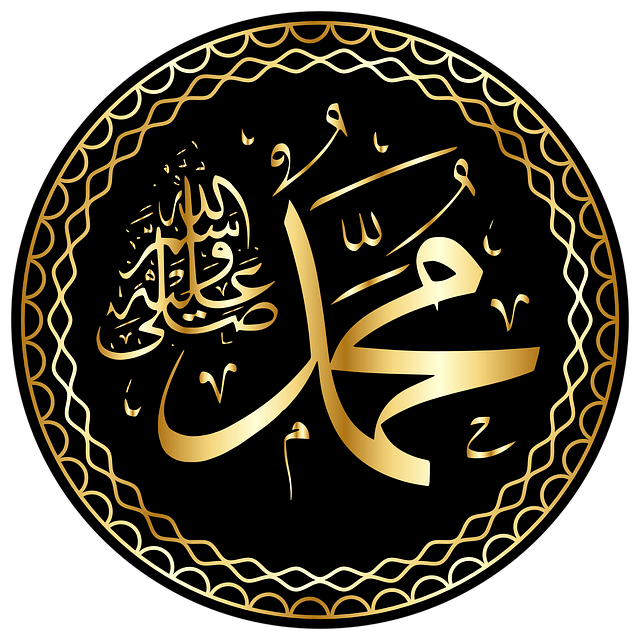
Prophet Muhammad (peace be upon him) was a living embodiment of Al-Quddus, The Most Sacred, reflecting the divine attribute of purity and sanctity through his life and teachings. His profound legacy is a testament to this attribute, offering timeless examples of moral and spiritual excellence:
- Purity of Intention: The Prophet’s intentions were consistently pure, directed solely towards the pleasure of Allah and the welfare of his community. His selfless nature was devoid of any personal gain, aligning with the divine purity of Al-Quddus.
- Sanctity in Worship: His unparalleled dedication to worship, particularly evident in his recitation of “Subhān al-Malik al-Quddūs” after the witr prayer, underscored his deep reverence for the sacredness of Allah.
- Moral Excellence: Known for his impeccable honesty, integrity, and fairness, Prophet Muhammad’s character shone as a beacon of moral purity, mirroring the sacredness of Al-Quddus in every facet of his existence.
- Compassion and Mercy: His boundless compassion and mercy, even towards adversaries, mirrored the divine attribute of Al-Quddus. His forgiveness of the people of Ta’if, despite their mistreatment, set the highest standard of moral purity.
- Spiritual Purity: Described as “a walking Qur’an,” he personified the laws and principles of Allah in his actions, speech, and demeanor, reflecting the pure and sacred nature of Al-Quddus.
These inspiring instances from the life of Prophet Muhammad (peace be upon him) motivate us to pursue purity and sanctity in our own lives, emulating the best of creation. His life is a guiding light, encouraging us to embody the attribute of Al-Quddus, and leading us on a path towards spiritual, moral, and ethical excellence.
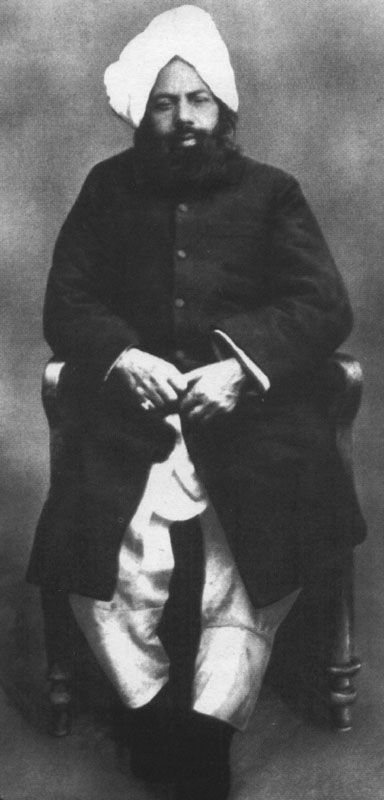
Hazrat Mirza Ghulam Ahmad of Qadian, the esteemed founder of the Ahmadiyya Muslim Community, stands as a beacon of profound spiritual enlightenment. His life’s work and his enduring teachings continue to resonate with millions, illuminating paths of wisdom and compassion across the world. Proclaiming himself as the Promised Messiah and Mahdi, he sought to fulfill the Islamic prophecies of a divinely guided leader who would herald an era of righteousness and cease religious conflicts.
With a mission deeply rooted in the core values of Islam, he endeavored to rejuvenate the faith’s true spirit, centering on the oneness of God, ethical transformation, and the nonviolent spread of Islamic tenets. He valiantly confronted and sought to rectify the prevailing religious misconceptions of his time, dedicating his life to portraying the peaceful essence of Islam.
The profound depth of spirituality that permeates Mirza Ghulam Ahmad’s writings, debates, and discourses calls upon the faithful to steadfastly adhere to Islamic principles. His legacy, enshrined in the hearts of the Ahmadiyya Muslim Community, continues to advocate for a world where peace, justice, and harmony prevail.
The community upholds the belief that God appointed Ahmad in the likeness of Jesus, to denounce violence and reestablish the pillars of morality, justice, and peace. His message, transcending the confines of time, implores us to contemplate the sanctity of life and the paramount importance of aligning our existence with divine will.
Embodying the attribute of Al-Quddus, Hazrat Mirza Ghulam Ahmad led a life marked by purity and unwavering devotion, inspiring a quest for a deeper connection with the Divine. His vision for humanity shines as a symbol of hope and spiritual renewal, guiding followers towards a future graced with divine love and understanding. His path remains a source of spiritual rejuvenation and a testament to the transformative power of faith.

Hazrat Mirza Masroor Ahmad, the esteemed fifth Caliph of the Ahmadiyya Muslim Community, is a paragon of peace and a herald of interfaith unity. His Holiness, as the spiritual and administrative luminary of the community, shepherds millions with his profound wisdom and steadfast dedication to the tenets of Islam.
Born into a legacy of spiritual leadership on September 15, 1950, in Rabwah, Pakistan, Hazrat Mirza Masroor Ahmad has devoted his existence to serving humanity and disseminating the authentic precepts of Islam. Ascending to the esteemed office of Caliph on April 22, 2003, he has since been a vanguard in the global crusade for harmony and understanding.
Under his sage leadership, the Ahmadiyya Muslim Community has flourished, witnessing an era of unprecedented expansion and prosperity, marked by the establishment of mosques, educational institutions, and healthcare facilities across continents. His Holiness champions the cause of education, moral upliftment, and the welfare of the marginalized, advocating tirelessly for the rights of religious and ethnic minorities and championing the cause of justice and equity on the world stage.
Embodying the divine attribute of Al-Quddus, Hazrat Mirza Masroor Ahmad’s endeavors to honor the sanctity of life, the inviolability of faith, and the quest for peace are a living testament to the transformative power of spiritual purity. His vision—a world where the inherent sacredness of every individual is acknowledged and cherished, where dialogue triumphs over discord, and where the principles of Al-Quddus guide us toward a more empathetic and equitable society—is a beacon of inspiration.
Guided by his enlightened leadership, the Ahmadiyya Muslim Community aspires to personify the divine virtues, striving to mirror the purity and holiness that Al-Quddus epitomizes in every facet of life, fostering a future graced with divine love and mutual respect. His Holiness’s vision continues to illuminate the path towards a spiritually enriched and harmonious world.
 Radio VOIB