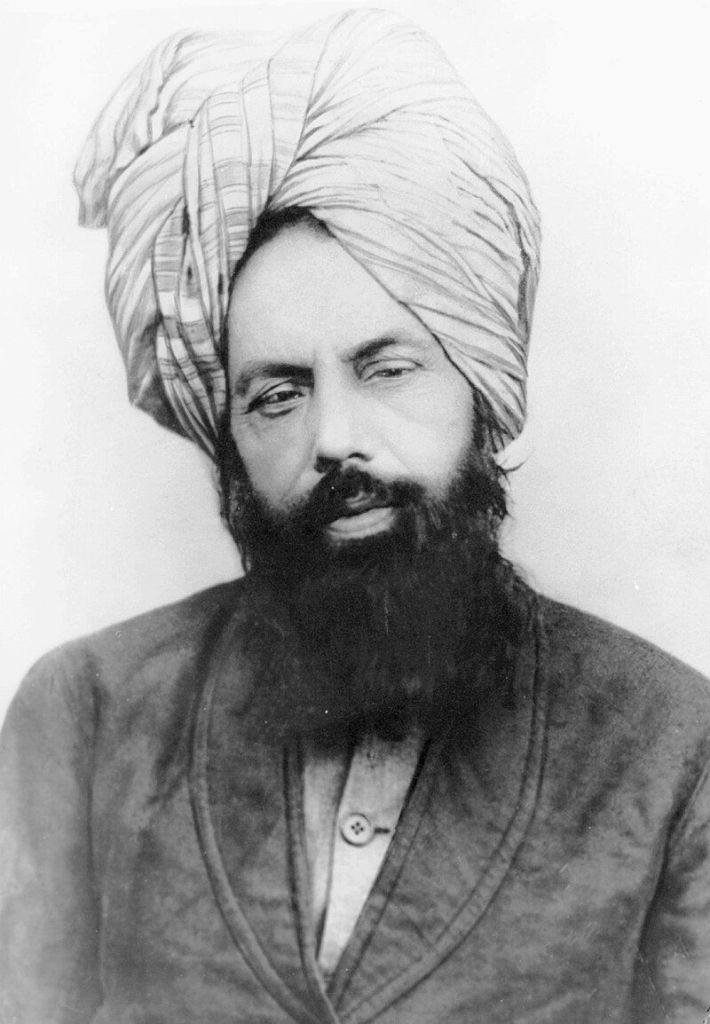
Accepting Hazrat Mirza Ghulam Ahmad (peace be upon him) as the Promised Messiah and Mahdi, in accordance with the Holy Qur’an and the teachings of Hazrat Muhammad (peace be upon him), is regarded as a source of profound spiritual rejuvenation and guidance. Here are several compelling reasons why his followers find this acceptance transformative:
• Fulfillment of Prophetic Promises: Acceptance of Hazrat Mirza Ghulam Ahmad aligns with prophetic prophecies found within Islamic scriptures regarding the advent of a divine figure in the latter days. These prophecies, as interpreted by Ahmadis, point towards Hazrat Mirza Ghulam Ahmad as the fulfillment of these awaited promises. This alignment is seen as a validation of his role as the Promised Messiah and Mahdi, tasked with rejuvenating faith and righteousness within the Muslim community and beyond.
• Spiritual Connection: Hazrat Mirza Ghulam Ahmad’s teachings emphasize the importance of establishing a profound and personal connection with the Divine. This connection is seen as foundational for spiritual growth and enlightenment. Through practices such as self-reflection, prayer, and adherence to Islamic principles, followers are encouraged to deepen their relationship with God, thereby experiencing spiritual rejuvenation and guidance in their lives.
• Defender of Islam: A significant aspect highlighted in the article is Hazrat Mirza Ghulam Ahmad’s staunch defense of Islam against criticisms and attacks. He is portrayed as a fervent advocate for the authenticity of the Holy Qur’an and the teachings of the Prophet Muhammad (peace be upon him). By presenting compelling arguments and engaging in intellectual discourse, Ahmad defended the faith and sought to establish its truthfulness in the face of skepticism and opposition.
• Unity and Peace: The Ahmadiyya movement, founded by Hazrat Mirza Ghulam Ahmad, is depicted as a beacon of peace and unity. It promotes harmonious coexistence within the Muslim community and advocates for interfaith dialogue and cooperation. Through its teachings of tolerance, compassion, and understanding, the movement seeks to foster a world where people of diverse backgrounds can live together in harmony and mutual respect.
• Moral Ascension: Central to Hazrat Mirza Ghulam Ahmad’s teachings is the concept of moral upliftment. He emphasizes the importance of embodying Islamic values such as honesty, compassion, and humility in one’s daily life. By adhering to these principles, followers are encouraged to elevate their moral character and contribute positively to society, thereby fulfilling their spiritual obligations and serving as exemplars of Islamic ethics.
• Global Brotherhood: Another significant aspect discussed in the article is the Ahmadiyya community’s efforts to establish a global brotherhood transcending barriers of race, nationality, and ethnicity. Hazrat Mirza Ghulam Ahmad envisioned a world where all individuals are united by their shared humanity and common spiritual aspirations. Through initiatives aimed at fostering understanding, empathy, and cooperation, the Ahmadiyya movement strives to realize this vision of universal brotherhood.
• Service to Humanity: Followers of Hazrat Mirza Ghulam Ahmad are urged to actively engage in service to humanity, guided by the principles of compassion, generosity, and altruism. This service encompasses various forms of humanitarian aid, social welfare projects, and community development initiatives aimed at alleviating suffering and improving the lives of others. By embodying the spirit of selflessness and empathy, Ahmadis seek to fulfill their religious duty of serving humanity and contributing to the betterment of society.
• Relevant Solutions: Hazrat Mirza Ghulam Ahmad’s interpretations of Islamic teachings are depicted as offering relevant solutions to contemporary challenges faced by society. By addressing pressing issues such as social injustice, inequality, and religious extremism, his teachings aim to provide guidance and direction in navigating the complexities of the modern world. Through a synthesis of religious principles and practical wisdom, Ahmadis seek to promote positive change and foster a more just and compassionate society
In essence, accepting Hazrat Mirza Ghulam Ahmad is seen by his followers as a means to revitalize one’s faith, contribute to global harmony, and navigate the challenges of the modern world with wisdom and compassion. It’s a call to spiritual awakening and a commitment to the service of humanity, inspired by the teachings of Islam as understood through his perspective..
 Radio VOIB