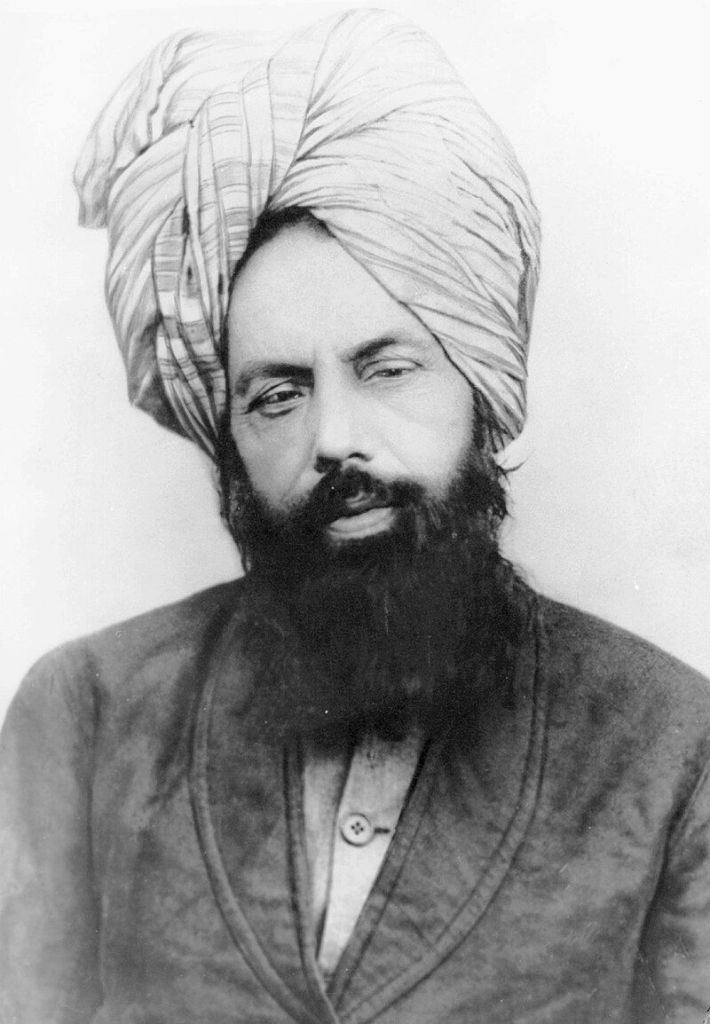
In the quest for spiritual enlightenment and guidance, the Holy Quran and the writings of Hazrat Mirza Ghulam Ahmad offer a profound wellspring of wisdom. The Quran, revered as the word of God, is replete with verses that serve as both a warning to mankind and a bearer of glad tidings, urging believers to live a life of righteousness and piety. Similarly, Hazrat Mirza Ghulam Ahmad, the founder of the Ahmadiyya Muslim Community, echoed these sentiments in his works, providing insightful commentary and interpretation that resonate with the core messages of the Quran.
The Holy Quran: A Beacon of Warning and Glad Tidings
The Quranic approach to guiding humanity is characterized by a balance between warning and hope. It warns against the perils of straying from the path of God while simultaneously offering the promise of immense rewards for those who believe and do righteous deeds. For instance, the Quran states:
“And We send not the messengers except as bringers of good tidings and warners. So whoever believes and reforms – there will be no fear concerning them, nor will they grieve.” (Quran 18:56)1
This verse encapsulates the dual role of messengers as harbingers of both caution and hope, a theme that is echoed throughout the Quranic text.
Hazrat Mirza Ghulam Ahmad: A Voice of Warning and Promise
Hazrat Mirza Ghulam Ahmad, in his writings, emphasized the importance of heeding divine warnings and striving for spiritual progress. He viewed his mission as a continuation of the prophetic tradition, calling people towards God and warning them of the consequences of moral and spiritual negligence. His message was one of peace and reconciliation, urging humanity to embrace the teachings of Islam as a means to attain true success in both this world and the hereafter.
In his book “A Message of Peace and a Word of Warning,” he writes:
“The time is near when the true purpose of the creation of man will be fully disclosed. The sun of truth will rise with all its splendor, and falsehood will vanish altogether like the darkness of night.”2
This passage reflects his optimistic vision for the future, where truth prevails and the divine purpose is realized.
Crafting an Article: Synthesizing the Messages
When writing an article that draws from these sources, it is essential to maintain a tone that is both persuasive and uplifting. The article should highlight the significance of the warnings given by God and His messengers, illustrating the potential consequences of ignoring such guidance. Concurrently, it should inspire hope by elaborating on the glad tidings promised to the righteous, painting a picture of the spiritual and worldly benefits that await them.
The narrative should be constructed in a way that connects with the reader on a personal level, encouraging self-reflection and a sincere desire to align one’s life with divine teachings. By weaving together the Quranic verses and the insights of Hazrat Mirza Ghulam Ahmad, the article can serve as a powerful tool for enlightenment and transformation.
In conclusion, the Holy Quran and the writings of Hazrat Mirza Ghulam Ahmad are rich sources of inspiration that offer a balanced perspective on life’s spiritual journey. An article that effectively conveys their messages of warning and glad tidings can be a beacon of light for those seeking direction and purpose in their lives.
 Radio VOIB