
As humanity grapples with the dual challenges of climate change and equitable resource distribution, the insights drawn from spiritual wisdom and scientific innovation offer a pathway toward a sustainable future. In light of the guidance provided by the Holy Qur’an and the keynote addresses of Hazrat Mirza Masroor Ahmad, a holistic approach to the energy crisis must prioritize efficiency alongside the adoption of renewable technologies.
A Spiritual Mandate for Stewardship
The Holy Qur’an emphasizes humanity’s responsibility as custodians of the Earth:
“And do not cause corruption upon the earth after its reformation…” (7:56).
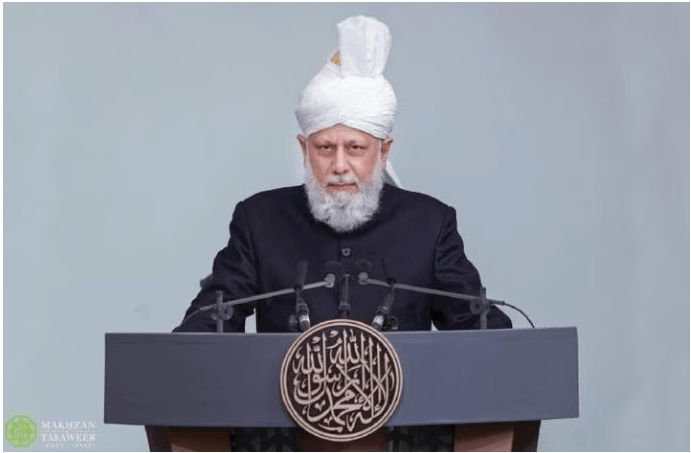
This divine instruction underscores the necessity of harmonizing human activity with environmental balance. Hazrat Mirza Masroor Ahmad has repeatedly called for responsible resource use, urging world leaders to embrace policies that align with moral accountability. In his address at the UK Parliament in 2019, he highlighted:
“True justice requires that the wealth and resources of the world are used fairly and equitably so that all people can prosper without harming the Earth.”
Such teachings advocate for a “soft energy path,” emphasizing energy efficiency as an ethical imperative.
Energy Efficiency: A Proven Solution
As outlined by Jon Creyts, CEO of the Rocky Mountain Institute, energy efficiency represents the largest and most cost-effective tool for reducing emissions. Yet, despite its proven benefits, it remains underrepresented in global dialogues like COP29. Efficiency saves energy, reduces costs, and minimizes ecological harm.
Consider these insights:
Energy efficiency measures in 2022 saved 15% of energy consumption in numerous countries, showcasing its transformative potential.
With proper implementation, energy efficiency could reduce global energy costs by up to $2 trillion annually by 2030.
These statistics align with the Qur’anic principle of moderation (wasatiyyah), which calls for avoiding waste in all aspects of life:
“Indeed, the wasteful are brothers of the devils…” (17:27).
The Role of Emerging Economies
In regions like South Asia and Africa, energy efficiency is not merely an option but a necessity. With rapid urbanization, infrastructure development must prioritize efficient designs to mitigate long-term energy demands. For instance, in India, efficient building designs could reduce energy needs by 25% by 2050 while also lessening the reliance on emissions-intensive materials.
Hazrat Mirza Masroor Ahmad has advocated for empowering developing nations through equitable resource sharing and technology transfer, emphasizing that global efforts must focus on enabling these nations to achieve sustainable growth.
The Call to Action at COP29
COP29 presents an opportunity for world leaders to correct the oversight of neglecting energy efficiency. The integration of efficiency measures into Nationally Determined Contributions (NDCs) would accelerate progress toward climate goals. Key recommendations include:
1. Policy Reforms: Governments must incentivize energy-efficient technologies in buildings, transportation, and industry.
2. Global Collaboration: Developed nations should support emerging economies through technology sharing and financial aid.
3. Public Awareness: Campaigns emphasizing the ethical and practical benefits of efficiency can mobilize grassroots action.
A Vision for the Future
Inspired by the Holy Qur’an and the speeches of Hazrat Mirza Masroor Ahmad, a sustainable world is not a distant ideal but an achievable reality. By combining spiritual values with technological innovation, humanity can embark on a path of justice, equity, and environmental harmony. The time for decisive action is now—efficiency is not just a technical solution; it is a moral imperative.
Let us heed the call to reform our ways before it is too late, for as the Qur’an reminds us:
“Indeed, Allah will not change the condition of a people until they change what is in themselves.” (13:11).
This vision of sustainability aligns spiritual duty with practical responsibility, setting the stage for a future that benefits all of creation.
 Radio VOIB