The question, “If God created heaven and earth, where was He before creation?” is profound and requires thoughtful reflection, particularly in the light of Ahmadiyyat, which emphasizes both the rationality and spirituality of faith.
The Timelessness of God
In Ahmadiyyat, a key concept about God is His timelessness and transcendence. God is not bound by time, space, or location, for He is the Creator of these constructs. Before creation, God existed in His eternal, self-sufficient Being. The Holy Qur’an declares:
> “He is the First and the Last, the Manifest and the Hidden, and He has full knowledge of all things.” (57:4)
This verse illustrates that God’s existence is not dependent on His creation. He exists beyond human understanding of “where” and “when.”
Understanding “Where” in Relation to God
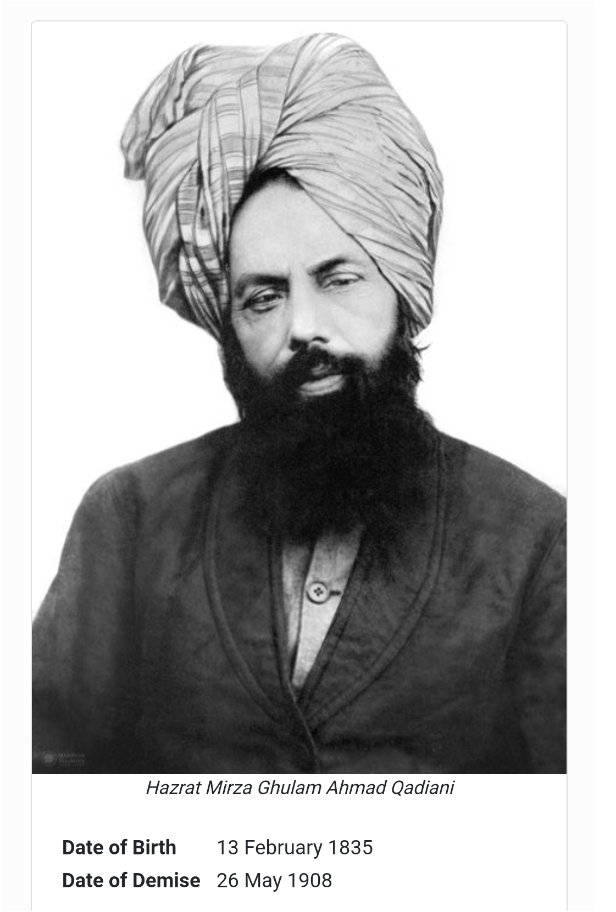
The question assumes that God is confined to a “place.” However, as Ahmadiyyat teaches, God is infinite and cannot be localized. Hazrat Mirza Ghulam Ahmad, the Promised Messiah and Founder of the Ahmadiyya Muslim Community, explained that God’s existence is akin to the soul’s relationship with the body—it permeates everything without being confined to it.
To ask “where was He?” is like asking, “Where is the painter before the canvas exists?” The painter exists independently of the canvas, yet the canvas manifests the painter’s creative genius. Similarly, God existed in His full glory before creating the universe, and creation is a manifestation of His attributes.
Creation as a Reflection of Divine Attributes
Ahmadiyyat highlights that God’s purpose for creation is to reflect His attributes, such as Al-Khaliq (The Creator), Al-Rahman (The Gracious), and Al-Wadud (The Loving). Before creation, these attributes were inherent in God, and creation provided the arena for their manifestation.
The Holy Qur’an states:
> “I have not created the jinn and the men but that they may worship Me.” (51:57)
“Worship” in this context implies recognition and love of God. By creating the heavens and the earth, God provided humanity the opportunity to know Him and connect with Him.
God’s Eternity Inspires Us
For believers, the understanding of God as eternal and unbound by physical constraints inspires trust, humility, and purpose. It reminds us that the Creator who brought the universe into existence is fully capable of guiding us through the challenges of life.
Ahmadiyyat teaches that this realization fosters a deeper connection with God through prayer, reflection, and service to humanity, echoing the Promised Messiah’s words:
> “Recognize your God, for He is nearer to you than your own veins.”
Contemplate and Seek
Rather than confining God to human limitations, this question invites us to contemplate His infinite nature and marvel at His creation. It challenges us to rise above materialism and seek a relationship with the One who is beyond all space and time, yet so intimately close to our hearts.
This reflection transforms the question from a philosophical puzzle into a spiritual journey, guiding us toward the ultimate purpose of life: to know and worship God.
 Radio VOIB