The Impact of Gut Health on the Mind: An Analysis in the Light of Ahmadiyyat
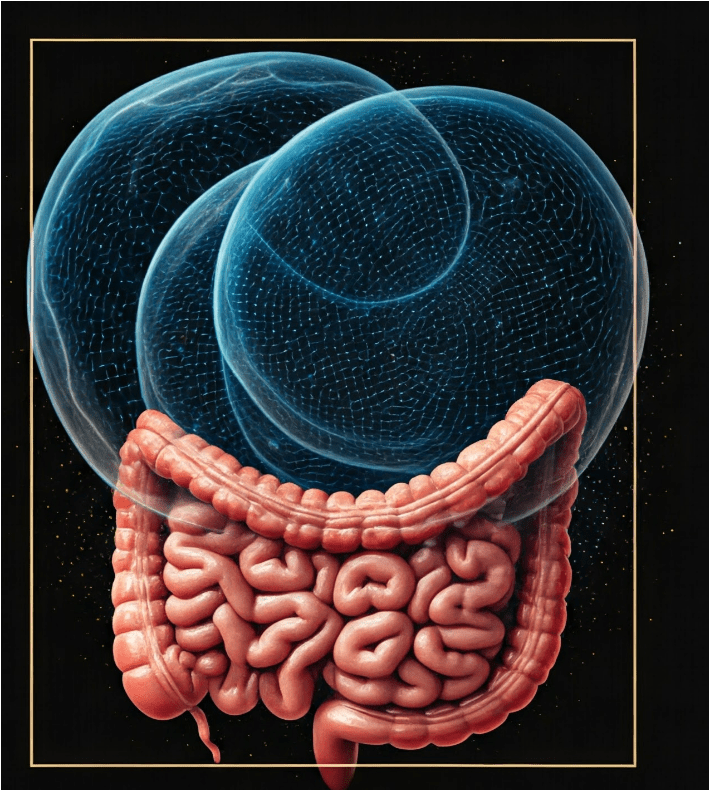
The BBC recently published an insightful article exploring the profound connection between gut health and mental well-being. Modern research reveals that gut health influences not only physical health, such as cholesterol levels and immunity, but also psychological conditions, including mood and mental clarity. This scientific perspective, when analyzed through the lens of Ahmadiyyat, emphasizes the harmony between spiritual teachings and modern scientific discoveries.
This article delves into the significance of gut health, its implications on mental and physical well-being, and its alignment with the teachings of Islam, particularly Ahmadiyyat.
What is Gut Health?
The human gut, extending from the stomach to the rectum, is a complex system that houses trillions of microbes, collectively known as the gut microbiome. These microbes weigh about 1.8 kg and include bacteria, fungi, and viruses. The diversity and balance of these microbes are crucial for overall health.
Oxford University’s Dr. Katarina Johnson highlights that a healthy gut hosts a wide variety of microbes, many of which remain poorly understood. The gut, often referred to as the “second brain,” interacts closely with the brain through the gut-brain axis. This connection influences mood, cognition, and even behavior through neurotransmitters like serotonin, which the gut produces.
Why Gut Health Matters
The Ahmadiyya Muslim Community advocates for a holistic approach to health, emphasizing balance and moderation in all aspects of life. In the same vein, gut health impacts the entire body, including the brain, immune system, and metabolism.
Research shows that an imbalance in the gut microbiome can lead to chronic conditions such as heart disease, respiratory issues, and autoimmune disorders. The Holy Quran mentions, “Eat of the good things We have provided for you” (2:172), encouraging Muslims to consume wholesome and beneficial foods, which aligns with modern dietary advice for gut health.
How to Improve Gut Health
Modern science recommends increasing the diversity of gut microbes through a varied diet. The American Gut Project suggests consuming at least 30 different plant-based foods weekly, including fruits, vegetables, seeds, nuts, and spices. Probiotic-rich foods like bananas, onions, garlic, oats, and yogurt can also promote gut health.
Ahmadiyyat places a strong emphasis on moderation and healthy eating habits, echoing the advice of medical experts. The Promised Messiah (as) emphasized the spiritual and physical benefits of self-discipline and mindful eating, akin to the principles of intermittent fasting. Research now confirms that fasting supports gut health by allowing the digestive system to reset and rejuvenate.
Foods to Avoid
Highly processed foods, alcohol, and excessive sugar intake harm gut health by disrupting the balance of good and bad bacteria. Islam, as taught by Ahmadiyyat, discourages the consumption of harmful substances, such as alcohol, due to their adverse effects on both body and soul.
Stress also negatively impacts gut health, exacerbating conditions like acid reflux and ulcers. The teachings of the Holy Quran and the guidance of Khilafat stress the importance of spiritual peace through prayer, patience, and reliance on Allah, which can mitigate stress and its physical manifestations.
The Role of Probiotics and Testing
Probiotics can improve gut health when used appropriately, though their effectiveness varies. Some companies offer microbiome testing, but experts caution against over-reliance on such services. Instead, they recommend consulting healthcare professionals for personalized advice.
The emphasis on prayer, gratitude, and reflection in Ahmadiyyat complements the scientific approach to well-being. The Promised Messiah (as) taught that spiritual health directly influences physical health, encouraging balance in every aspect of life.
Conclusion
The intricate connection between gut health and mental well-being reflects the beauty of Allah’s creation. The teachings of Ahmadiyyat resonate with modern scientific discoveries, advocating for a balanced lifestyle that nurtures both the body and soul.
By prioritizing wholesome nutrition, moderation, and spiritual practices, individuals can achieve optimal health, aligning with the Quranic principle of “verily, the body has a right over you” (Bukhari). This holistic approach is a testament to the timeless wisdom of Islam and its relevance in today’s world.
This analysis highlights how the teachings of Ahmadiyyat offer a comprehensive framework for understanding and improving gut health in light of both spiritual guidance and scientific research.
 Radio VOIB