We live in vibrant times, where the world is alive with the tremors of change. A glance at a map reveals history unfolding, as if fate is turning its pages with urgency. The news we receive serves not just as a cacophony of events, but as a resonant call to embrace a deeper truth: humanity stands at a crucial crossroads, ready to make a transformative decision.
In the Middle East, the air is charged with the fervour of protests, and cities bear the burdens of conflict. Israel’s latest initiative in Gaza City has ignited passions and deepened sorrow. Families of hostages march courageously, seeking justice and compassion. This moment illustrates the tragedy of two peoples entwined in a legacy of mistrust, reminding us of the timeless wisdom: “And let not the enmity of a people incite you to act otherwise than with justice” (Holy Qur’an 5:9).
Travel north, where the bear and the eagle prepare to meet in the Alaskan wilderness. The anticipated Trump-Putin summit carries whispers of Ukraine’s President Zelensky potentially joining. Cloaked in the guise of diplomacy lies the eternal struggle for power. Europe asserts that Ukraine’s fate should never be discussed without its voice. The Qur’an warns against those who “devour the inheritance of others wholly” (89:20), illustrating the stark reality of nations bargaining with destinies.
In Ukraine, war clouds loom, bringing fire to the land. Oil refineries across the Russian border blaze like pyres in the night. This conflict, ignited by ambition, continues due to the stubborn pride of humankind. For what is pride if not a refusal to acknowledge our shared humanity (4:2)?
The earth groans in anguish. Europe faces scorching heatwaves, as ancient forests succumb to ash, and wildfires rage, such as the defiant blaze in France’s Aude. These events remind us that humanity bears a sacred trust with the earth, and betrayal leads to dire consequences. The Qur’an aptly warns, “Corruption has appeared on land and sea because of what the hands of men have wrought…” (30:42).
The markets, the modern temples of society’s confidence, sway unsteadily. India’s stock exchanges descend, while global investors eye tariff wars with caution. In these fleeting moments, the Qur’an’s wisdom resonates: wealth is a test, not a refuge (64:16). Humanity must learn that economies based on greed are destined to collapse under their own weight.
Amidst this turbulence, the march of technology advances. The arrival of GPT-5 showcases human innovation. Yet the question lingers: will this power be used for righteousness or folly? Knowledge devoid of reverence can become a consuming fire rather than a guiding light.
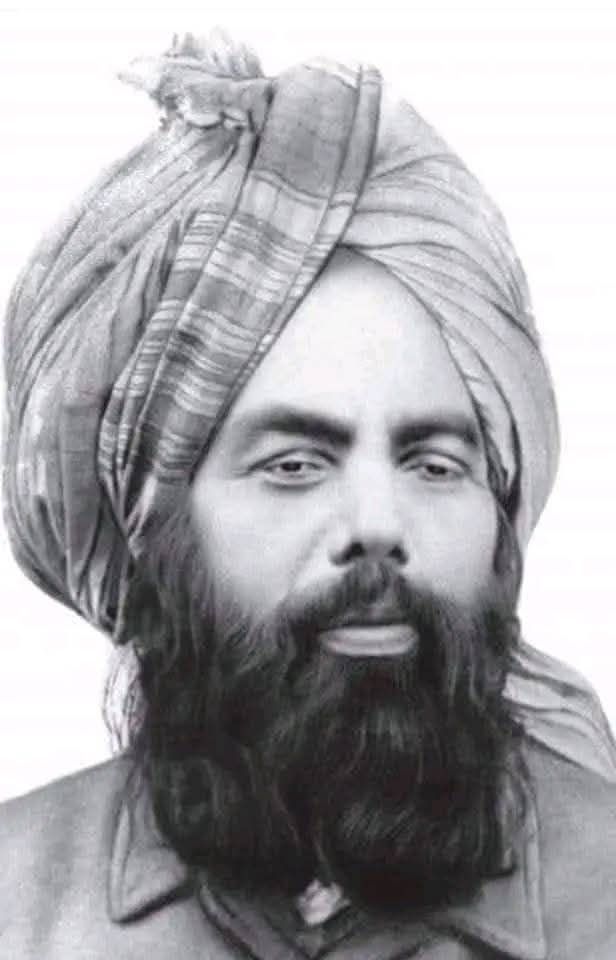
Nations march forward, each convinced of its righteousness but blind to the higher laws of existence. Hazrat Mirza Ghulam Ahmad, the Promised Messiah (as), reminds us that the turmoil of our age is a clarion call to return to our Creator to avoid inevitable repercussions.
So what must those of faith do? We cannot remain idle spectators in this unfolding narrative. We are called to be catalysts for transformation, advocating for justice, voicing truth against the tide of disapproval, and praying for peace, believing in the power of our prayers to change the course of events.
Let us embrace the noble legacy of the Holy Prophet Muhammad (sa), sent as a mercy for all (21:108). If his followers embody justice, compassion, and unwavering strength, the chaos of our time may evolve into the promise of a brighter dawn. However, if we yield to anger and greed, we risk being swept away with the currents.
The signs are clear for those willing to reflect: we stand at a pivotal crossroads. As the pages continue to turn, may it be written that humanity chose to remember its Creator and step back from the brink of destruction.
 Radio VOIB