By Saiful Islam
August 10, 2026
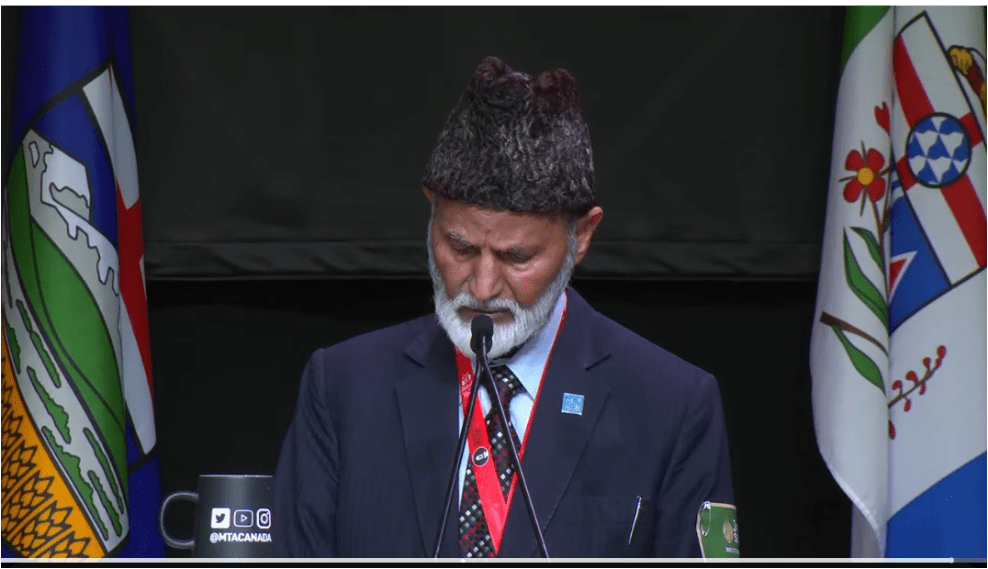
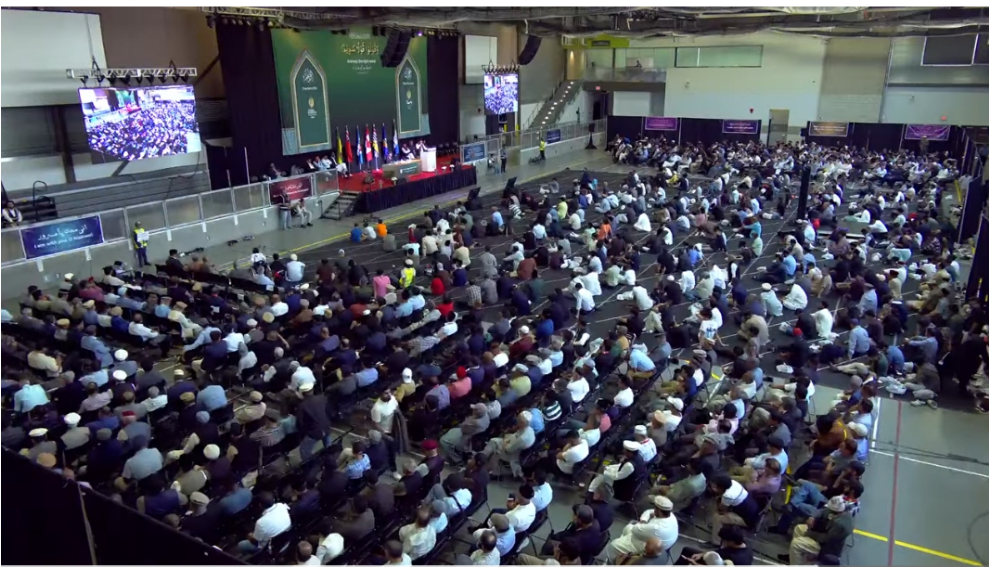
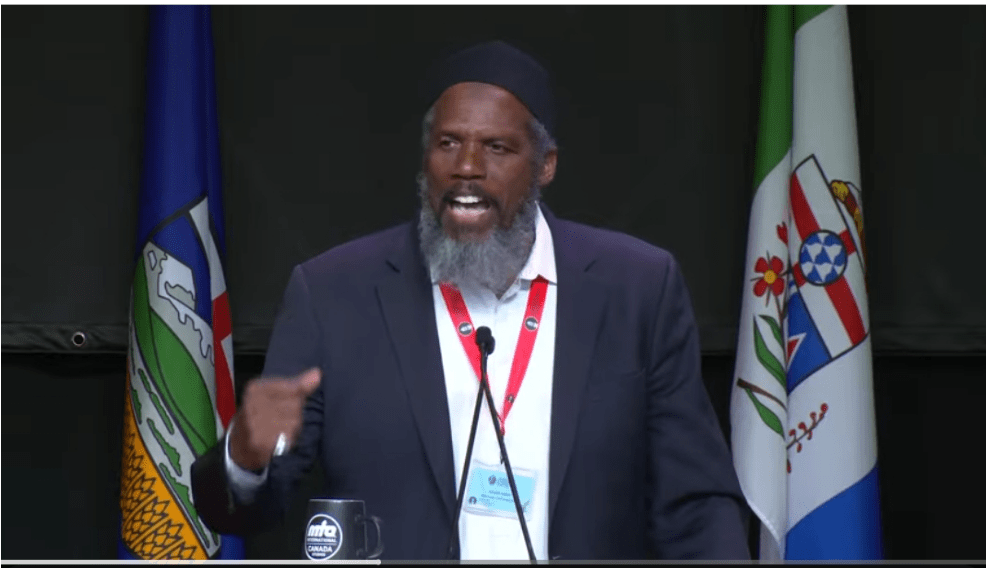
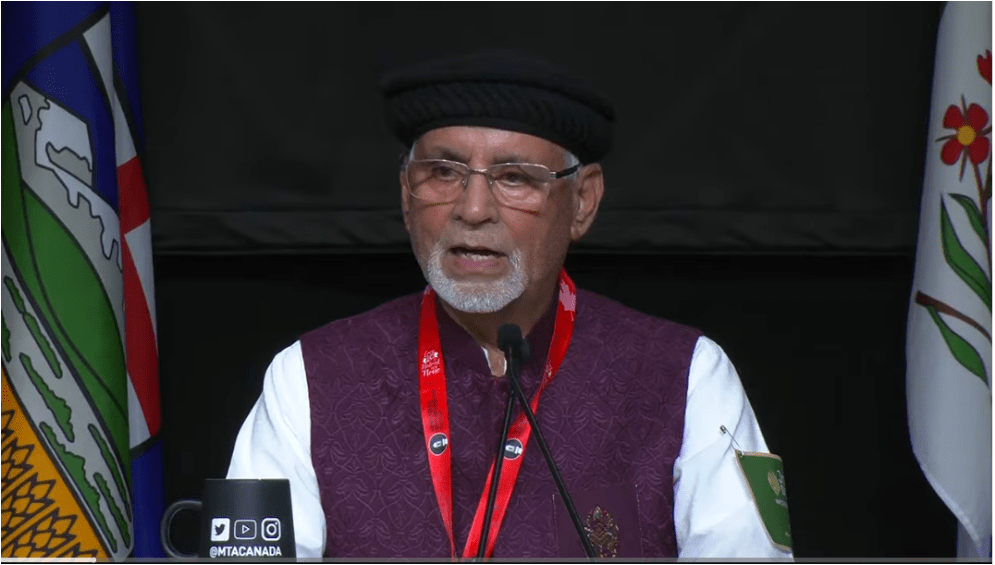
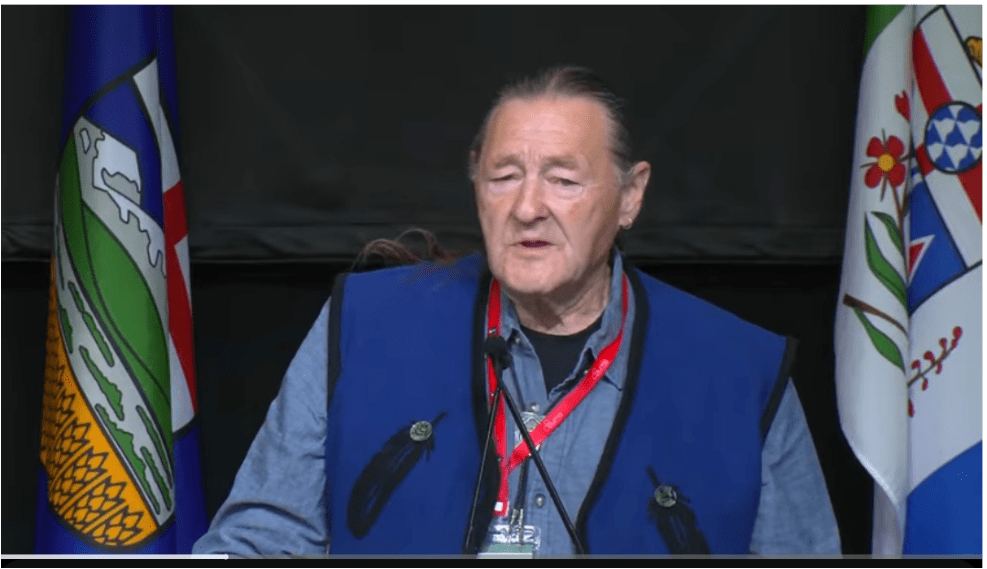
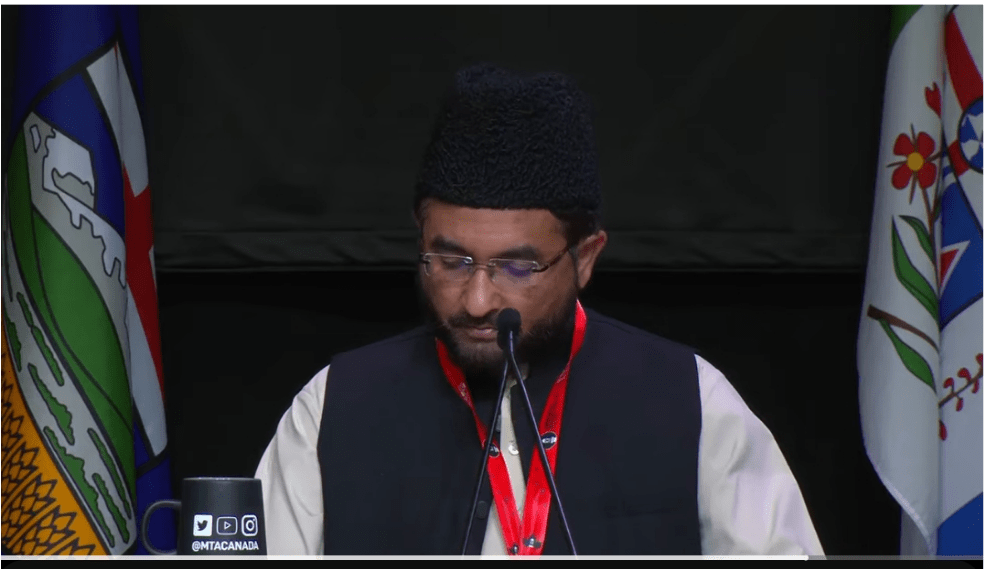
In an era defined by rapid digital fracture, political polarization, and compounding environmental crises, more than 5,000 delegates gathered this weekend inside Calgary’s Genesis Centre for the 42nd annual Jalsa Salana Western Canada. What began in 1980 as a modest regional gathering has evolved into one of the largest Islamic spiritual conventions in North America—a weekend defined by intensive theological reflection, social activism, and a stark reminder of the physical realities burning just beyond the horizon.
Organized by the Ahmadiyya Muslim Jama’at and broadcast live around the world via MTA Canada, the two-day convention drew an official in-person attendance of 5,364 people—including 4,805 community members, 559 non-member civic and religious guests, and a global audience logging more than 280,000 total digital views.
Yet as attendees filed into prayer halls and exhibition spaces, the gathering wrestled with questions far larger than its internal growth: How does an ancient religious tradition cultivate truth, moral responsibility, and community resilience in a modern world in turmoil?
The Ethic of the “Right Word”
The guiding theme of the 2026 convention was rooted in a foundational Quranic command: Qooloo Qawlan Sadeeda—”To say the right word.” Throughout the weekend, a succession of scholars and community leaders unpacked the directive across sessions that ranged from spiritual philosophy to digital ethics. In a society inundated by social media algorithms and instantaneous commentary, speakers urged attendees to view speech not merely as self-expression, but as a weighty ethical duty.
“If we follow this Quranic guidance, many of the disputes that arise between individuals, communities, and nations would simply cease to exist,” noted Malik Lal Khan, National President (Amir) of the Ahmadiyya Muslim Community in Canada, during live coverage of the event.
Across ten major keynote addresses, scholars expanded on how that principle applies to every facet of contemporary life. Opening the convention, Missionary-in-Charge Sohail Mubarak Ahmad Sharma delivered a keynote titled “How to Protect Oneself in This Time of Global Crisis,” urging spiritual resilience amidst geopolitical instability. Local Vancouver Amir Naeem Lakhan expanded on core psychological anchors in his talk, “Being Grateful to Allah.” At the same time, Sa’d Hayat Bajwa addressed moral character in “Faith, Simplicity and Purity — Lessons from the Life of the Holy Prophet.”
The foundational texts and daily practices sustaining the faith were further explored in addresses by Aizaz Khan, who spoke on the “Significance of Reading the Books of the Promised Messiah,” and Abdus Sami Khan, who delivered an Urdu speech titled “The Bond of Love Between Khulafa-e-Ahmadiyyat and Jama’at Members.” Spiritual discipline remained a central focus as Azhar Hanif delivered “Reviving the Soul Through the Remembrance of Allah.” At the same time, Hafiz Attaul Wahab detailed continuous personal growth in “Sermons of Hazrat Khalifat-ul-Masih: A Path to Spiritual Advancement.”
Addressing civic responsibility, Majlis Khuddamul Ahmadiyya President Shahrukh Rizwan Abid delivered an address titled “Love of One’s Country is Part of Faith,” emphasizing that religious devotion and active loyalty to one’s homeland are inherently linked. In an Urdu address titled “Wabil Walidaini Ihsana” (“Show Kindness to Parents”), National Vice President Abdul Bari tackled the Western trend toward institutionalizing aging relatives, emphasizing the Islamic obligation to care for parents within intergenerational homes.
Confronting modern internet culture, scholar Usman Jamil invoked the prophetic tradition warning that recounting everything one hears is sufficient to compromise one’s integrity. Jamil urged delegates to apply strict verification protocols before sharing news online, arguing that unverified gossip damages individual honour and social trust.
Faith Under Smoky Skies
The convention’s internal focus on moral conduct collided directly with external urgency during Sunday’s closing ceremony. Just across the provincial border in British Columbia, severe summer heat and dry winds had ignited aggressive wildfires across the interior and Okanagan regions. Entire districts—including Summerland, Peachland, and portions of neighbouring Indigenous communities—had been placed under mandatory evacuation orders, displacing thousands of residents and forcing emergency personnel onto the frontlines.
Before concluding the convention, organizers paused the planned program to address the crisis. National Amir Malik Lal Khan requested that all attendees dedicate their final silent prayer (Dua) to those affected by the blazes.
“We request everyone present to include in their prayers the safety of all those displaced, the protection of their homes, and safety for the firefighters working under dangerous conditions,” Khan told the crowded hall. “May Allah grant ease to all those displaced and bring this situation to a peaceful and speedy end.”
A Community Expanding
Despite environmental and societal headwinds, the convention closed on a note of growth and outreach. Organizers announced that 11 individuals—including Canadian families of Afghan heritage—had formally joined the Ahmadiyya Muslim Community during pledge ceremonies (Bai’at) held at the convention’s cultural exhibitions.
As delegates departed the Genesis Centre into the August haze, the 42nd Jalsa Salana Western Canada demonstrated a vital dynamic of modern religion: a gathering deeply committed to ancient spiritual discipline, yet acutely tuned to the immediate physical and social challenges of the world outside its doors.

